How Is Whisky Made? A Complete Guide to the Whisky-Making Process
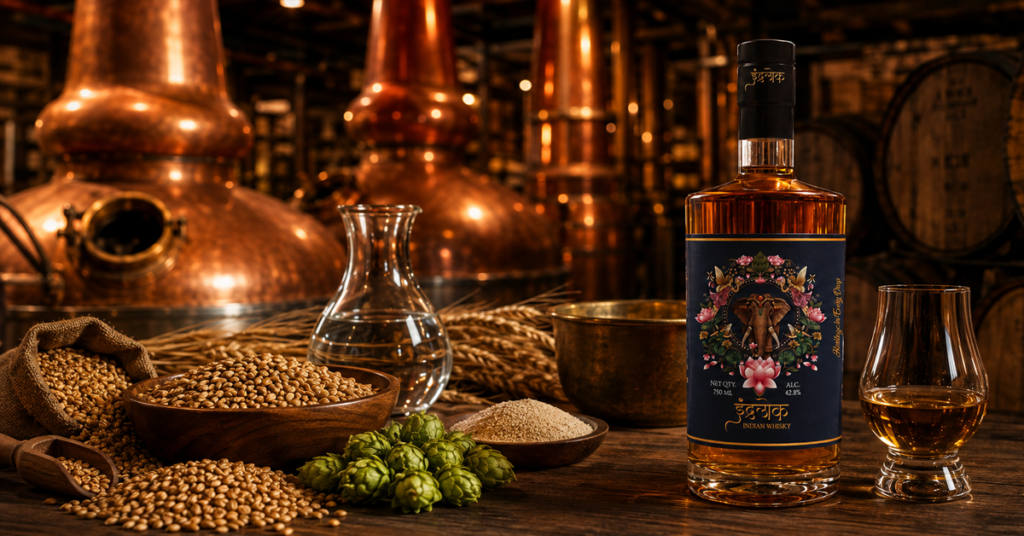
Many whisky enthusiasts wonder how is whisky made and what happens before their favorite drink reaches the bottle. Although whisky may look simple when served in a glass, producers follow several carefully controlled stages to create its distinctive character.
First, producers select grains and prepare them for fermentation. Next, they use mashing, fermentation, and distillation to create the spirit. Afterward, maturation develops additional depth and character. Finally, blending and bottling prepare the whisky for consumers.
Moreover, every stage can influence the aroma, flavor, body, and finish. Therefore, understanding whisky production can help enthusiasts appreciate the craftsmanship behind every bottle.
Indian whisky also brings its own character to this process. Brands such as Indralok Whisky combine established production practices with a distinctly Indian identity, giving consumers another way to explore the world of whisky.
Ingredients Used in Whisky Production
Whisky production starts with a few essential ingredients: grains, water, and yeast. However, producers can choose different grains depending on the style and character they want to create.
For example, producers may use barley, corn, wheat, rye, or a combination of grains. Each grain can contribute different characteristics to the final spirit.
Water also plays an important role throughout production. Meanwhile, yeast converts fermentable sugars into alcohol during fermentation and contributes various flavor compounds.
Therefore, ingredient selection provides the foundation for the entire production process. Furthermore, producers carefully consider the quality and characteristics of these ingredients before moving to the next stage.
From Grain Preparation to Fermentation
To understand how is whisky made, start with grain preparation and mashing. First, producers prepare the selected grains and make their starches accessible. Then, they combine the grains with hot water during mashing.
During this stage, natural enzymes convert starches into fermentable sugars. Next, producers transfer the resulting sugary liquid into fermentation vessels.
Yeast then consumes the available sugars and produces alcohol, carbon dioxide, and various compounds that contribute to flavor and aroma. Consequently, fermentation creates a liquid called wash, which contains a relatively low concentration of alcohol.
Furthermore, fermentation conditions such as temperature, yeast selection, and duration can influence the character of the resulting liquid.
Distillation and the Development of Spirit Character
After fermentation, producers move the wash into the distillation stage. Here, they heat the liquid inside stills and use controlled distillation to separate and concentrate alcohol along with selected flavor compounds.
However, distillation does much more than increase alcohol concentration. Producers carefully manage temperature, timing, equipment, and the different portions of the distillate.
For instance, the still design can influence the spirit’s character. Likewise, the way producers handle different fractions can affect aroma, flavor, and texture.
As a result, distillation represents a crucial stage in whisky production. It transforms the fermented liquid into a more concentrated spirit that can continue toward maturation.
How Is Whisky Made Through Maturation?
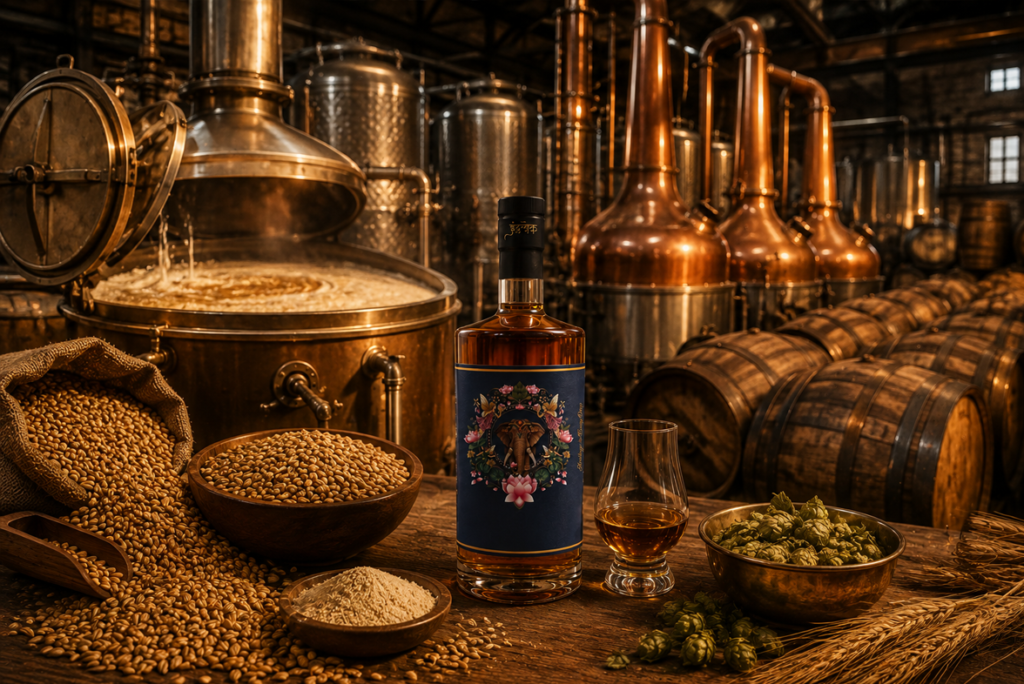
Maturation plays a major role in shaping whisky’s final character. After distillation, producers place the spirit into suitable wooden casks and allow it to mature over time.
During maturation, the spirit interacts with the wood. As a result, it can develop additional notes such as vanilla, caramel, spice, toast, dried fruit, and other characteristics.
Moreover, temperature changes can influence the interaction between the spirit and the cask. Therefore, cask type, climate, maturation duration, storage conditions, and the original spirit can all affect the final profile.
However, longer maturation does not automatically create better whisky. Instead, producers aim to achieve a balanced relationship between the spirit and the wood.
Blending and Finishing
Once maturation reaches the desired stage, producers can evaluate the individual spirits and decide how to create the intended profile. In blended whisky production, makers combine spirits with different characteristics to achieve consistency and balance.
For example, one spirit may contribute sweetness, while another can provide spice, body, depth, or additional aroma. Consequently, blending requires careful evaluation and experience.
Some producers also use finishing techniques to develop additional character. They may transfer the spirit into another suitable cask for a further period, allowing it to gain additional flavor characteristics.
Thus, the final whisky reflects decisions made throughout the production journey, from grain selection and fermentation to maturation and blending.
Preparing Whisky for Bottling
Before whisky reaches consumers, producers complete several final steps. First, they evaluate the matured spirit and determine the desired flavor profile.
Next, producers may combine different batches or spirits to achieve consistency. They can also adjust the whisky to the intended bottling strength by adding carefully measured water.
Afterward, producers may filter the whisky according to the product’s requirements. Finally, they fill, seal, label, and prepare the bottles for distribution.
Therefore, bottling represents the final stage of a long production journey. Every decision at this point helps ensure that the finished product matches the intended character.
What Makes Indian Whisky Distinctive?
Indian whisky has developed a notable identity within the global whisky landscape. Although Indian producers use many established whisky-making techniques, the country’s climate can influence maturation and spirit development.
For example, warmer conditions can accelerate interactions between the spirit and wooden casks. Consequently, Indian whisky can develop distinctive characteristics based on its maturation environment.
Furthermore, Indian whisky brands continue to explore different approaches to blending, maturation, flavor development, and presentation. This variety gives consumers more opportunities to discover different Indian whisky styles.
Indralok Whisky represents one such Indian whisky brand. Its presence allows consumers to explore an Indian expression while learning more about the production and character of whisky.
How Is Whisky Made Into a Distinctive Final Product?
The answer to how is whisky made involves much more than distillation. Instead, producers make important decisions throughout the entire journey.
Grain selection establishes the foundation. Then, mashing creates fermentable sugars, while fermentation produces alcohol and flavor compounds. After that, distillation shapes the spirit and removes or retains selected compounds.
Next, maturation allows the spirit to interact with wood and develop greater complexity. Finally, blending and bottling bring the production process together.
Therefore, the final character of whisky reflects the combined influence of ingredients, production methods, distillation choices, maturation conditions, and craftsmanship.
For enthusiasts, learning about these stages can make whisky appreciation even more rewarding. Instead of viewing whisky simply as a finished beverage, consumers can understand the craftsmanship and decisions behind every bottle.
FAQs on the Production of Whisky
Q1. How Is Whisky Made From Grains?
Producers begin by selecting suitable grains and preparing them for mashing. During mashing, enzymes convert grain starches into fermentable sugars. Next, yeast converts those sugars into alcohol during fermentation. Afterward, producers distill the fermented liquid and mature the resulting spirit in wooden casks.
Q2. What Ingredients Do Producers Use to Make Whisky?
Whisky generally uses grains, water, and yeast. Depending on the whisky style, producers may choose barley, corn, wheat, rye, or a combination of grains. Each ingredient can contribute to the final flavor and character.
Q3. Why Does Whisky Need Maturation?
Maturation allows the spirit to interact with wooden casks and develop additional complexity. Over time, the whisky can gain color, aroma, flavor, and texture from the spirit-wood interaction.
Q4. Does Longer Aging Always Make Whisky Better?
No. Longer maturation does not automatically guarantee better whisky. Instead, producers look for balance between the spirit and the wood. Cask type, climate, maturation conditions, and the original spirit all influence the final result.
Q5. What Makes Whisky Production Different From Other Spirits?
Whisky production combines grain-based fermentation, distillation, and maturation to create its characteristic profile. Other spirits can use different raw materials, production methods, distillation techniques, and aging practices. Therefore, each spirit category develops its own distinctive characteristics.